
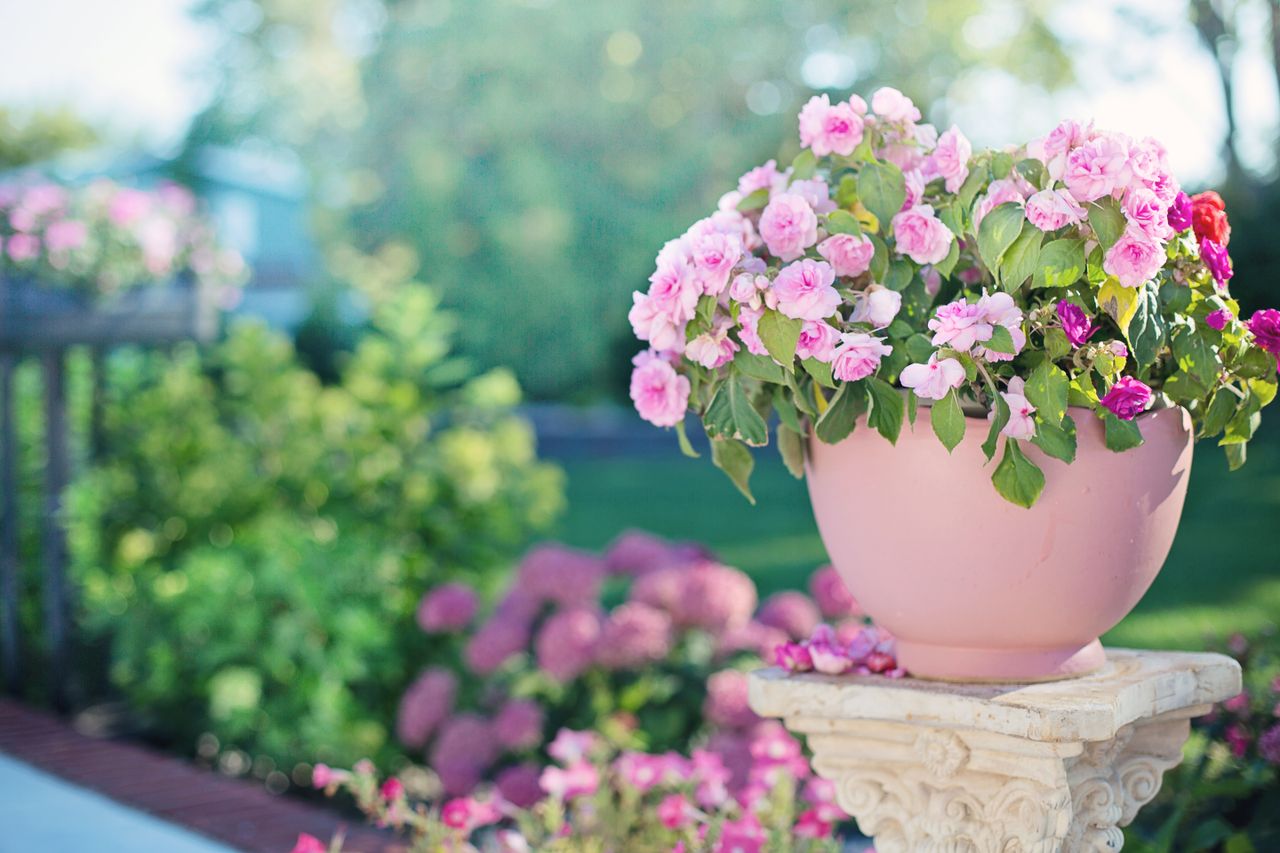
Summer is when gardens truly come alive. Flowers are in bloom, outdoor entertaining becomes a priority, and homeowners spend more time enjoying their outdoor spaces. However, warmer temperatures also bring challenges that require regular maintenance and planning.
A few simple seasonal gardening tasks can help your garden remain healthy, colourful, and productive throughout the summer months.
Focus on Watering Effectively
One of the biggest gardening mistakes during summer is watering little and often. Shallow watering encourages weak root systems and leaves plants vulnerable during hot weather.
Instead, water deeply and less frequently. Early morning is typically the best time, allowing moisture to reach roots before temperatures rise.
Container plants often require additional attention because compost dries out more quickly than garden soil.
Keep Flower Beds Blooming
Deadheading is one of the simplest ways to prolong flowering throughout summer.
Removing faded blooms encourages many plants to produce new flowers rather than directing energy into seed production. Roses, geraniums, cosmos, and dahlias all benefit from regular deadheading.
Spending just a few minutes each week can dramatically improve the appearance of your garden.
Feed Plants for Strong Growth
Summer is a period of active growth for many plants. Regular feeding helps support healthy foliage and abundant flowering.
Choose a fertiliser suitable for the plants you’re growing. Flowering plants often benefit from feeds rich in potassium, while leafy vegetables may require additional nitrogen.
Always follow manufacturer recommendations to avoid overfeeding.
Lawn Care During Warm Weather
Lawns can become stressed during extended dry periods. Raising your mower height slightly helps grass retain moisture and develop stronger roots.
Avoid cutting too short, particularly during heatwaves. Longer grass shades the soil and reduces water loss.
If rainfall is limited, focus watering efforts on newly established lawns rather than mature grass areas.
Control Weeds Before They Spread
Warm weather creates ideal conditions for weed growth. Regular weeding prevents unwanted plants from competing with flowers and vegetables for nutrients and water.
Removing weeds before they produce seeds reduces future problems and keeps borders looking tidy.
Mulching flower beds with organic matter can also help suppress weed growth while retaining moisture.
Summer Planting Opportunities
Many gardeners assume planting season ends in spring, but summer offers opportunities to introduce colour and interest.
Container displays can be refreshed with bedding plants, while herbs and fast-growing vegetables can still be planted in many areas.
Consider adding pollinator-friendly flowers such as lavender, verbena, and echinacea to support bees and butterflies.
Prepare for Outdoor Living
Gardens are increasingly viewed as extensions of the home. Summer is an ideal time to improve seating areas, outdoor dining spaces, and decorative features.
Simple additions such as solar lighting, attractive containers, or a fresh coat of paint on fencing can have a significant impact.
Regular maintenance also ensures outdoor spaces remain welcoming for family gatherings and entertaining guests.
Looking Ahead to Autumn
Successful gardening involves planning ahead. While enjoying summer blooms, think about autumn and spring displays.
Order bulbs early, make notes about successful plant combinations, and identify areas that could benefit from improvement later in the year.
By combining routine maintenance with forward planning, you can enjoy a vibrant summer garden while setting the foundation for future seasons. A little effort throughout the warmer months will reward you with healthier plants, stronger growth, and an outdoor space you’ll enjoy spending time in every day.