People tend to think about bathrooms in terms of tiles, taps and storage, but the window often does the hardest work in the room. It has to cope with steam, shifting temperatures and the awkward fact that no other space in the house demands so much from both privacy and daylight at once. A good one quietly improves the room. A bad one leaves you with condensation, gloom or that faint cave-like feeling no amount of paint can fix.
Bathroom windows are rarely chosen for looks alone. In a sitting room, a broad view is part of the appeal. In a bathroom, the job is subtler. You want light that feels clean and generous without turning the room into a fishbowl. That is why frosted and obscure glazing still earn their place: they soften sightlines rather than simply blocking them, which can make a small room feel calmer and less hemmed in.
Anyone weighing up options for a bathroom window is usually balancing three things at once: ventilation, privacy and durability. That matters more than trends. A window that opens the right way can help clear moisture after showers, while the right glass can keep the room bright even on overcast mornings. In practical terms, it is one of the few fittings in the home that affects comfort several times a day without drawing attention to itself.
Small details that make a difference
- Obscure glazing can let in more usable light than blinds kept half-shut all year.
- Easy ventilation helps reduce lingering damp and that stale post-shower air.
- Low-maintenance frames matter in a room where surfaces are regularly exposed to moisture.
There is something pleasing about a bathroom that feels bright and private at the same time. It is not glamorous design talk, perhaps, but it is the sort of everyday comfort people notice straight away when it is done well. For a feature so often treated as an afterthought, the bathroom window has a strong effect on how the whole room feels.
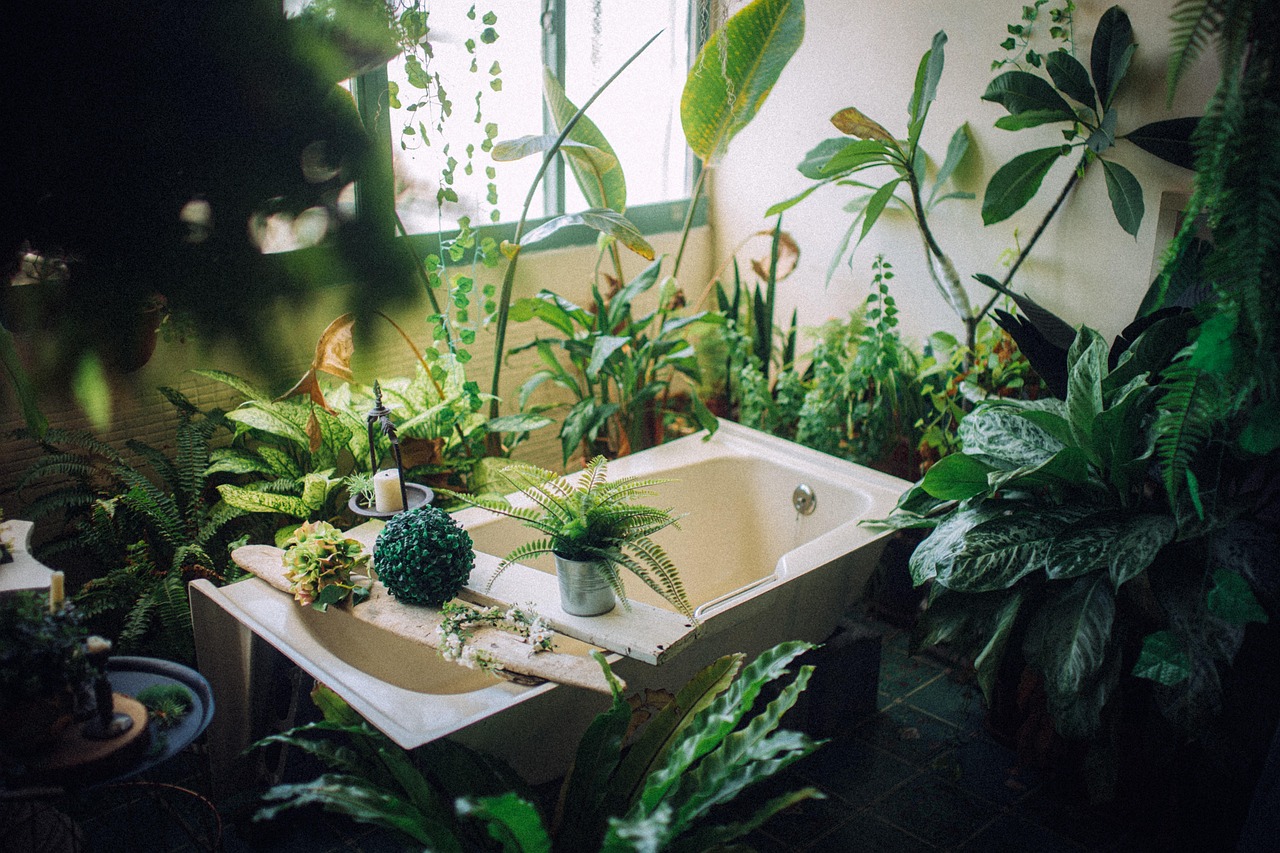
Featured image credit: by allen4uTW via pixabay.