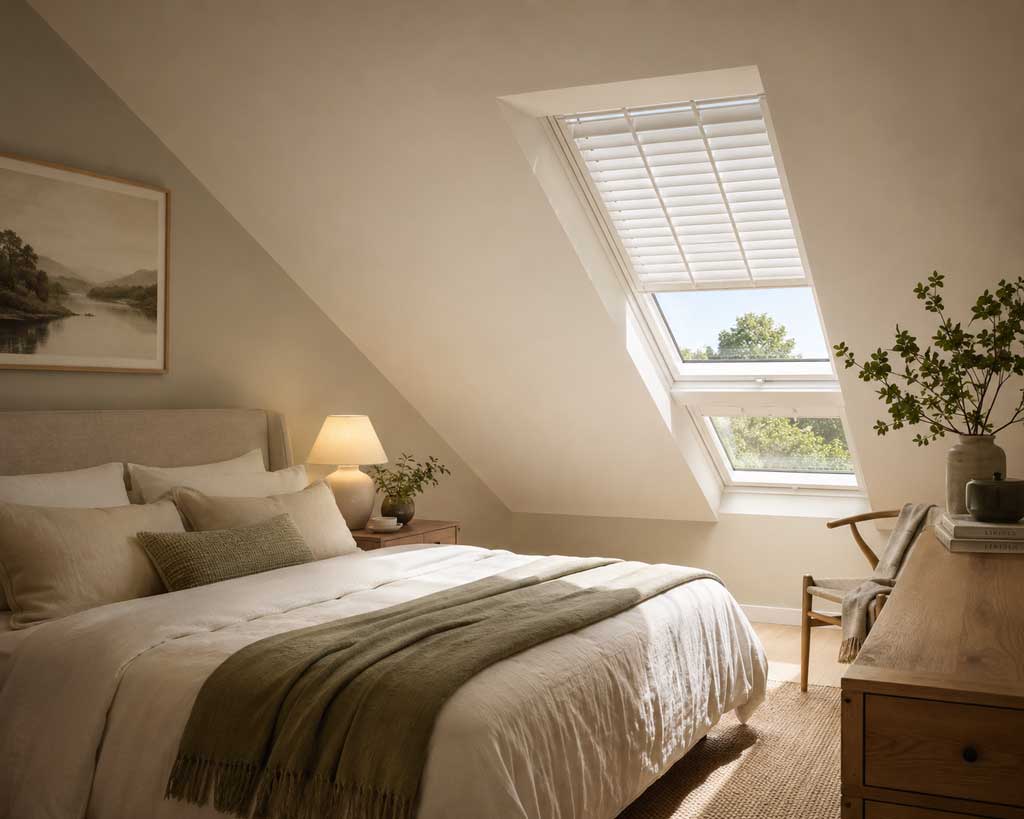
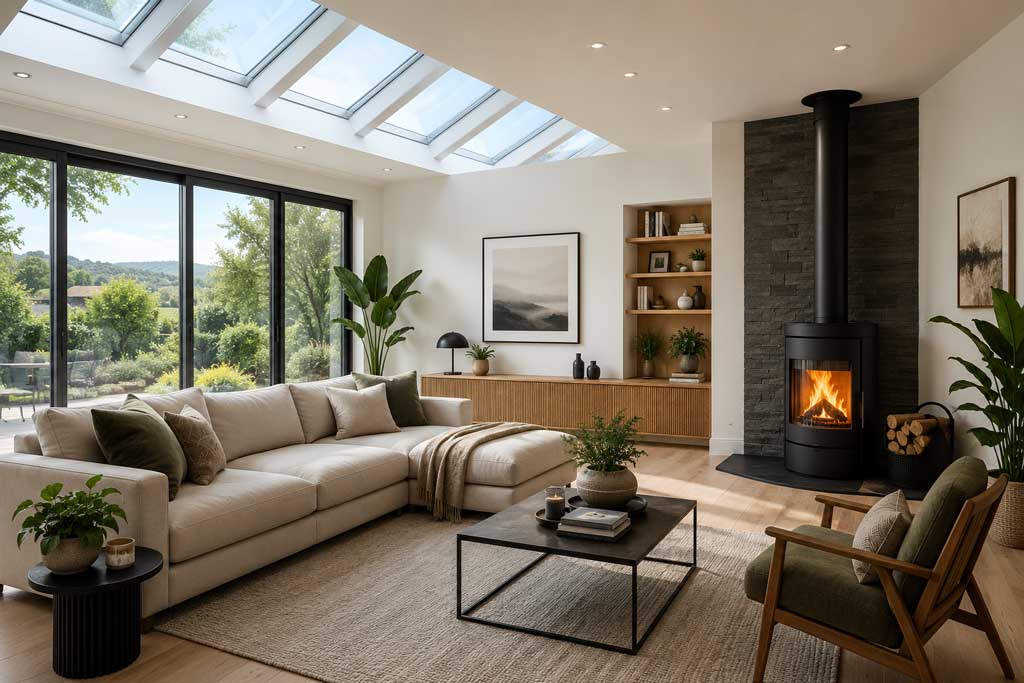
There’s a particular kind of daylight that changes a room completely, and it doesn’t come from the side. Light from above is softer and more even, which may be why so many modern extensions feel brighter and calmer than the older parts of a house. It’s not just about adding glass, it’s about how a home works through the day, from grey Midlands mornings to the last of the evening sun.
That shift is especially noticeable in kitchens, dining spaces and the in-between rooms that now do several jobs at once. A family space that has to handle homework, weekday dinners and the occasional chaotic birthday tea benefits from natural light in practical ways. It can make the room feel larger, but also easier to use, especially in homes where garden-facing walls are limited.
In places where extension projects are still common, local searches often show what people are trying to fix. Someone looking into roof lanterns Sutton Coldfield is rarely following a trend alone, more often they want to brighten a flat-roofed rear addition or make a newer part of the house feel less enclosed. That’s a useful reminder that design choices usually grow from everyday frustrations, not grand architectural ambitions.
What people usually want from overhead glazing
- More daylight without sacrificing wall space
- A stronger sense of height in low-ceilinged extensions
- A better connection between older rooms and newer additions
Done well, overhead glazing can make a modest project feel more generous than its footprint suggests. The best examples aren’t flashy. They simply make a room feel right. At a time when many of us are staying put and improving what we already have, that kind of change matters.
Featured image credit: AI generated.