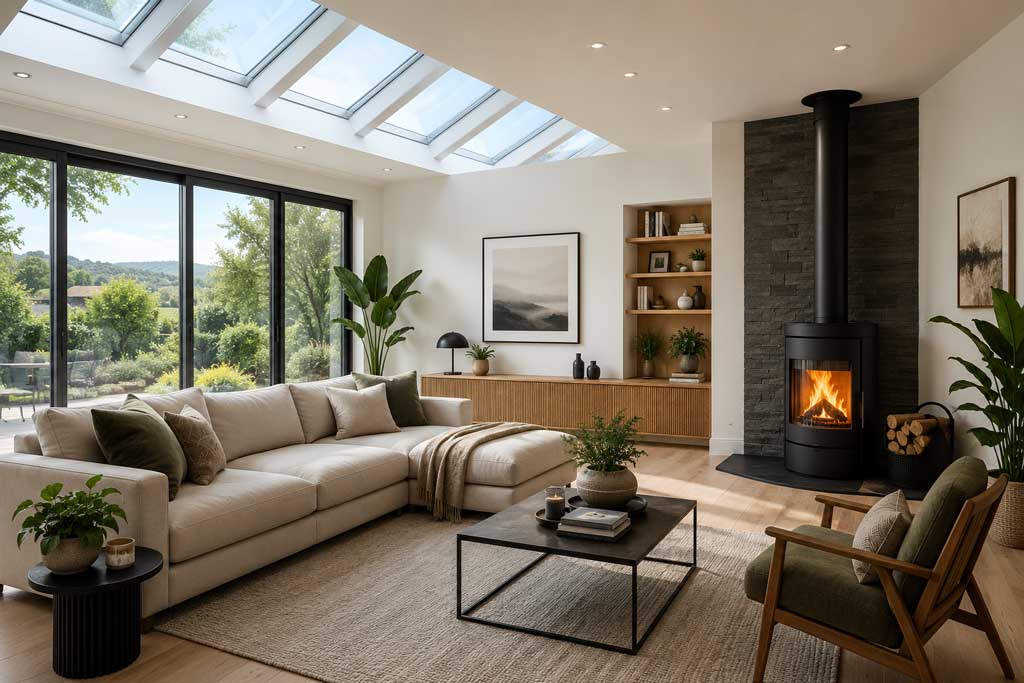
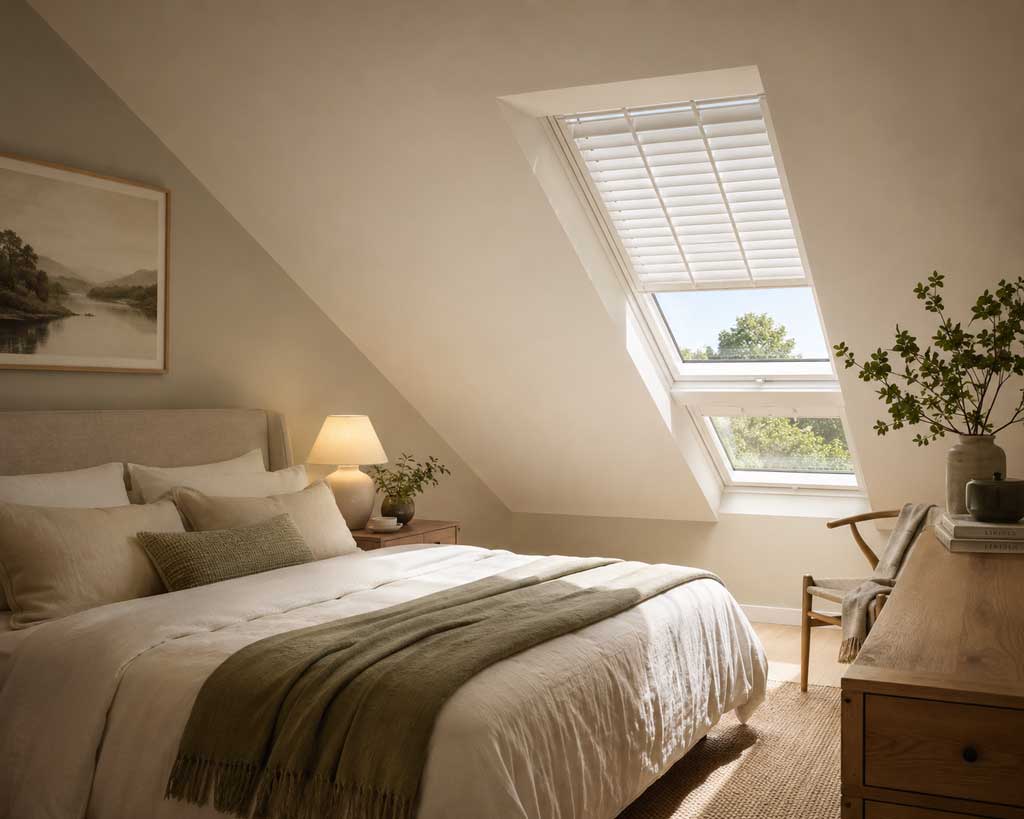
Many older British homes have charming proportions, thick walls and dim, awkward upper floors. People often only notice the lack of daylight when they try to turn an attic into a study, spare room or small bathroom. Then the talk usually shifts to roof glazing, and the same question comes up: what exactly is a Velux window, and why do people use the name so casually?
Part of the confusion comes from brand names slipping into everyday language. Much like people say “hoover” for a vacuum cleaner, they may ask what are Velux windows when they really mean roof windows in general. In practical terms, these are windows fitted into the slope of a roof to bring in natural light, fresh air and, in many cases, an escape route that meets building rules. For householders dealing with gloomy loft conversions or dark top-floor landings, that makes them less of a design extra and more of a practical fix.
A small change with a big effect
Roof windows do more than add brightness. They can change how a cramped room feels throughout the day, especially in Britain where light levels shift so much with the seasons. Morning light from above is different from light through a wall window. It reaches deeper into the room and makes low ceilings feel less oppressive.
- Light: helps make narrow loft rooms feel usable.
- Ventilation: useful in top-floor bathrooms and converted attics.
- Liveability: can turn a boxy spare room into somewhere people actually want to spend time.
That is why the term keeps cropping up in renovation conversations. It is rarely about fashion. More often, it is about making an awkward part of the house feel properly connected to the rest of the home.
Featured image credit: AI generated.